



In the merry, merry month of May...
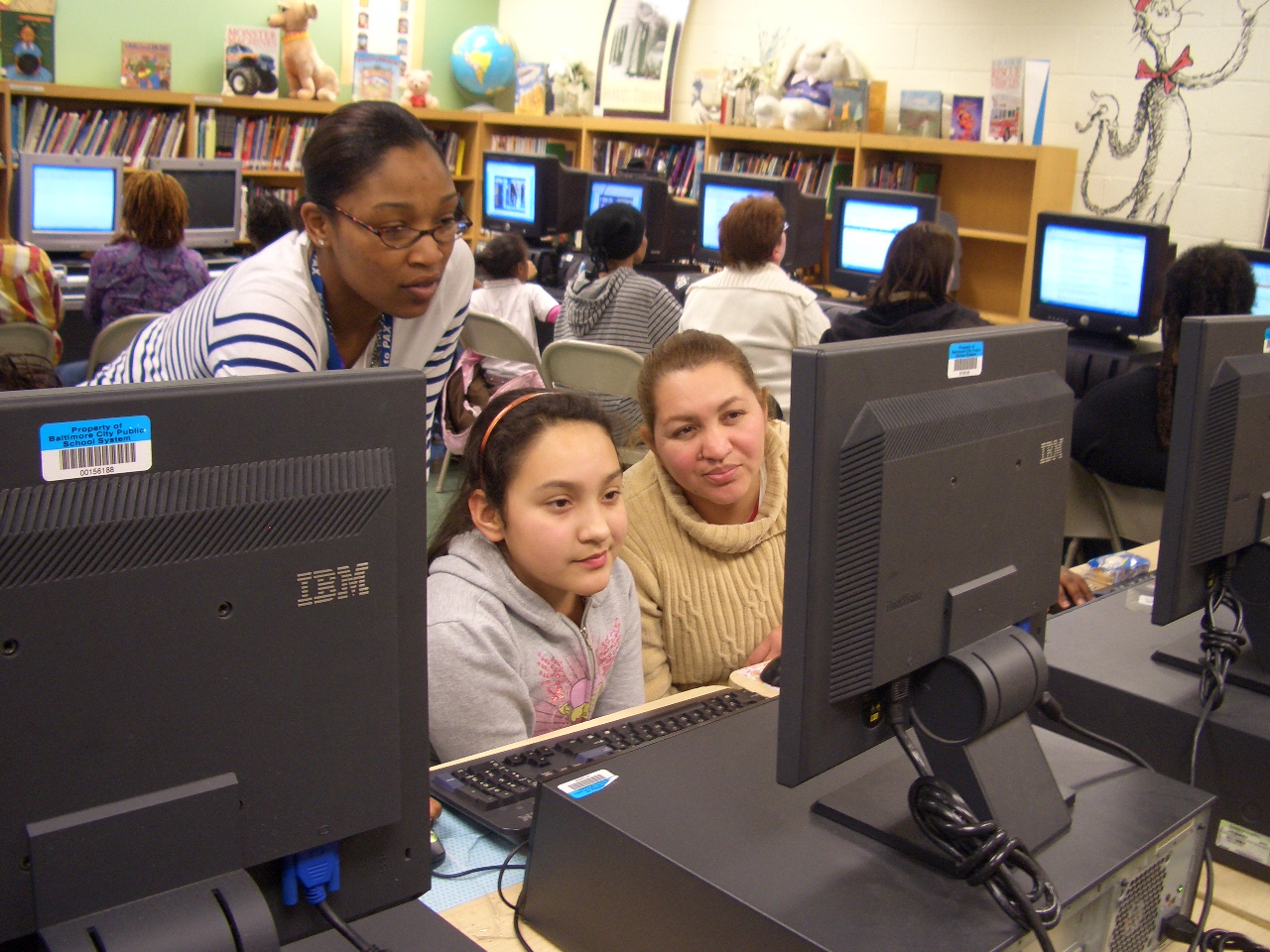
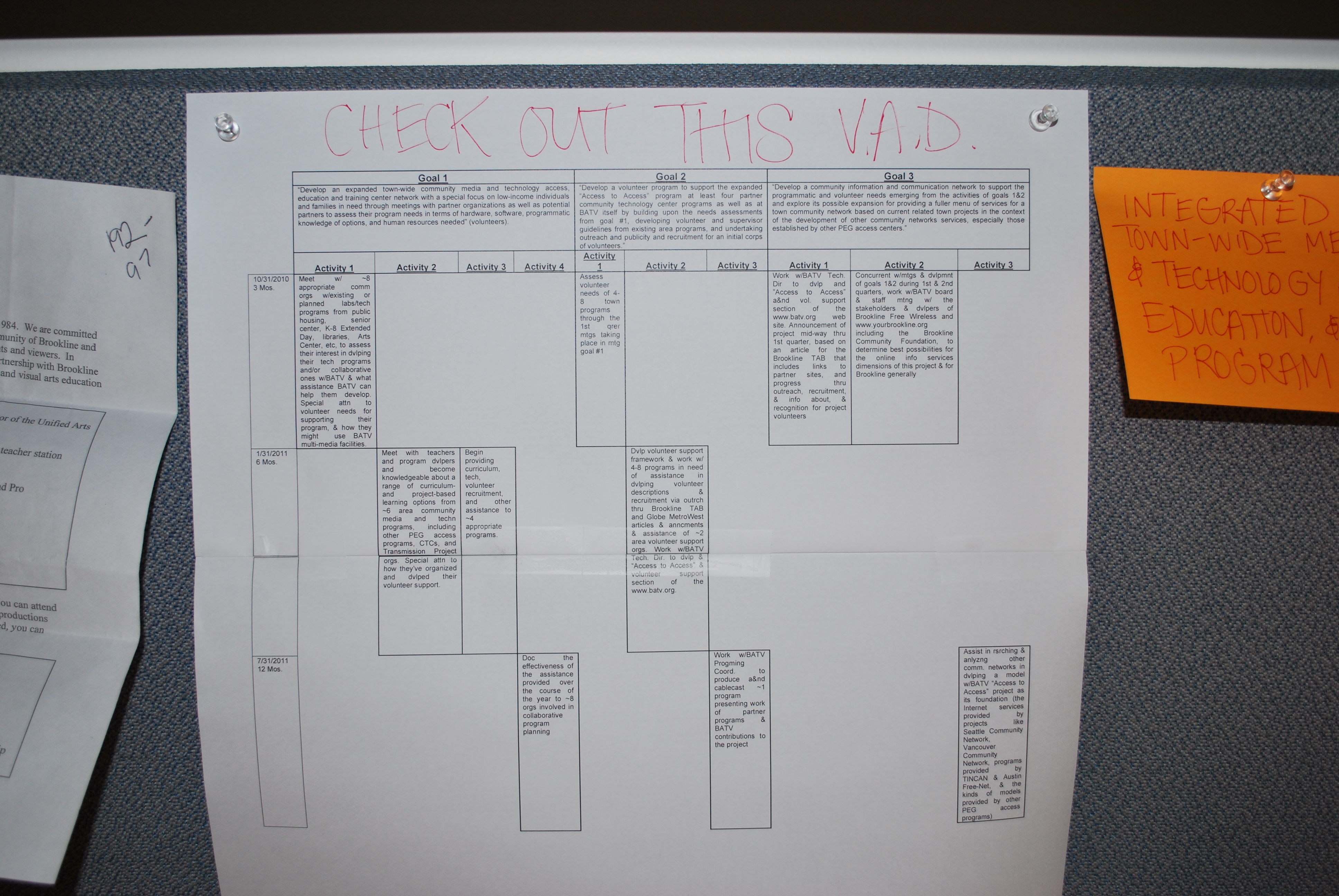
I wrapped up a 20-week long after-school outreach I’ve been teaching at an elementary school. I worked with two groups of students: the older group made a documentary about the experiences of their classmates who have moved to the U.S. from other countries, and the younger group made a collection of short instructional videos on topics of their choice (drawing, making a paper airplane, counting to ten in Japanese, making farting noises with your armpit, etc.).
Both videos were screened for parents at the after-school program’s year-end showcase. The kids were excited to see themselves on the screen, and it was really cool to talk to all the parents whose kids appeared in the film or who worked on it.
But the highlight of the month was taking a group of kids to a fancy, televised awards ceremony.
The Blue Chip Cable Access Awards are given out each year to recognize the work of volunteer producers of cable access programs in Greater Cincinnati. A short documentary made by one of last summer’s video camps I helped with at Media Bridges was nominated in the “student K-5” category. So, I rounded up the kids and parents to go to the award ceremony, which was held at a grand old restored movie theater. When their group was announced as the winner, I ushered a bunch of mostly shy kids up on stage, where they all got big rounds of applause for their acceptance speeches. One girl’s was, “Thank you, people.”
Here's the group photo, complete with shiny award plaque: http://ctcvista.org/files/IMG_7496b.JPG
Both events were good reminders of how important it is to follow through on projects that involve people in creating media. If we want people to realize the power their voices can have through media, we should involve them in the distribution, not just the production. When you put a piece of media “out there,” others will see it, and that is an important media literacy lesson. I see a lot of light bulbs turn on when kids see other people reacting to their work, whether those people are their parents or an entire theater full of people. Distributing one’s work can be an encouraging ego boost, but it can also be humbling and intimidating. Either way, it promotes responsible media-making.
The award-winning documentary was about an awesome, kid-friendly art museum where you can touch and interact with the artwork. It is called the UnMuseum, and it is housed in Cincinnati’s Contemporary Art Center. You can see the video in the youth section of the Media Bridges Web site.
Those of you looking to hone your armpit farting skills will have to wait. I haven’t been able to put those videos up yet. One problem that we constantly have with younger groups is that the instructor always ends up having to do additional editing after the outreach or class is over. Does anyone has a good model for this or any advice?
Still going strong
Though for most, this is the end of the VISTA term, I'm sticking around through at least February, which I'm excited about. Lots more work ahead. No time to be heading out. Things have been so busy that it's hard to remember exactly what this month has brought. I've done a lot of work with our summer intern, getting him trained and working hard. But also really digging deep into the thinking about planning about how we use volunteers, outreach and market to them, and how we help communities meet their goals. We're experimenting with flipcams as a tool that communities can use to document their stories and I've been working on developing language around the outreach for them. I've also been developing our archive of artistic work to make it accessible and usable for us and our constituents. As we think about moving forward into a new stage of our website, it's important to have a clean and useful database of artistic content.
This next month I'm headed out to Eureka, CA for a professional development residency in community theater. I'm really hoping I'll be able to bring back some ideas and plans for how to strategize theatrical work in our web-based project.
Wrapping it up
Fellow VISTAs,
My term is coming to an end later (7/31) than most of yours so I still have some time left to wrap things up. I've basically just been working with our "in-house" evaluators on the data etc we've collected to put together our report on TAP. Although I'm bummed about the program not continuing, I've had a really great year and I've learned a lot. I've been looking for other jobs, so far I've only gotten one real response from the 10 or so resumes I've sent out. It's kind of nerve wracking but still exciting. I'll be sure to post our final report and probably pass on the curriculum I worked on to Ben. I've enjoyed reading about everyone's experiences and will pass along more information/insights. Good luck to everyone as your years wrap up.
--Will
Mon Jul 6 15:01:58 EDT 2009
Since my previous field report, I have:
- participated in a discussion of how the CCTS (the org I'm serving)
should develop its "business" in the future. - helped the hiring process by placing ads and by participating in
the interview of a candidate; - studied some existing, alternative, Content Management Systems
(CMS) not invented at CCTS, as candidate replacements for the CMS
that was invented at CCTS; - demonstrated a pattern for adding automated tests for the CCTS
CMS, documenting the tests, and at the same time, documenting the
requirements; - investigated somewhat into how we might be able to achieve
a cleaner separation between
the core CMS and the customizations of it to the needs of specific
clients; - maintained a file server (made backups, etc.) for the office files
- maintained an environment for our software development
(using the Ubuntu distribution); - supported workstations running one of Microsoft's operating systems
- helped move the office;
- constructed a "sandbox" installation of the CCTS CMS for
demonstrating its ease of use; - contributed time to the maintenance of the CMS;
- participated in an interim edit of the old, static, CCTS web site
- taught other personnel about programming techniques and principles
(e. g., finite-state machines).
Please keep in mind that since the purpose of the CCTS is to build the
capacity of other organizations, anything I do that helps CCTS,
contributes to capacity building in the social-profit sector.
End of Service Report
Hello everyone, I imagine this is will be the final post. Well basically I have been doing about the same; meeting with the green project members, getting someone to take over the classes in word, and Linux. The green project meetings continue we have found an interior designer and a professional artist willing to give us a hand, the artist is willing to stay on and teach art. In addition, there are other members of the Obama campaign that are willing to write grants to enable us to get the electric up to code, plumbing repairs, new instructors, books and programs. I also got individuals to come by to inspect the Arts and Education building. The report was favorable; they said the roof has sound beams and the wood used for beam looked almost new. I talked with my supervisor and we decided to get a summer youth work program started here at the shelter. We have 5 district students to come into our program, most have computer skills so they can work on setting up the Wildtech data base and other technical aspects. There are two students that are sixteen years of age with some construction experience, so we decided to let them work on scraping the walls in the Arts and Education building.
I'm in for 3 more months : )
Hola hola mundo! We have had weird weather in June so far here in Southern California.
Just finished mailing out hundreds of Wired for Wireless Reports. Thanks Stephen for shooting that email, by the way! I am continuing to send out reports. This brings me to the database. Bounced mailed reports are actually in our favor because it helps to clean the database. And so now, updating the database is of primary focus as well as using GIS tools (most likely Google Maps/Earth) to map out our network.
Also, I helped organize California Emerging Technology Fund’s (CETF) very first webcast of a new campaign they launched for Southern California titled Get Connected: Your Life Made Easier. Thanks to the Bresee Foundation who actually brought out the equipment for the press conference.
Finally, I recently got a CTC VISTA extension for about three months. I am blessed to get the extension. I enjoy working here, and there are still a few things I need to get done.
This may be the last month a few of you will be posting. I thank you for your help and your service…I am sounding like the president, jeje. Please stay in (Twitter) touch: @OsoHormiguero.
Passing on our knowledge
Our year's coming to a close, and not all of us are staying on with the CTC VISTA Project, but wouldn't it be nice if we could pass on our wisdom to the incoming class? I propose we create a hashtag on Twitter and tweet advice up till July 27 (I think that's the official start date). The field reports are a rich resource but take a significant amount of time to sift through. Probably several of us will be kicked off the listserv come July 11.
For anybody who's up to it, let's go with #ctcvista. Invite any former CTC VISTAs you know to tweet, and let's keep it constructive!
UPDATE: Twitter's great for bite-sized advice, but for those who don't use it, the Facebook discussion thread would be an accessible place to leave advice.
Wrapping Up & Ramping Up
Recently I’ve been gathering requirements and consulting on information architecture for another Mercy Corps group, Mercy Corps Northwest. MCNW is doing a major site redesign; and it has been exciting to help them understand their audience (defining user roles and creating surveys) and define/prioritize organizational and user goals for their new site.
I have started wrapping up my work for MicroMentor by ramping up social media outreach. A paradox? Yes and no. With only a couple of weeks left and so much to accomplish I have been concentrating on capacity building at a strategic and tactical level, in order to provide MicroMentor with tools and research that will ease them into a social media presence.
Strategic:
Wrote SEO, Twitter, and Facebook guidelines and research docs, including tips and best practices. In the process of writing an additional report on Google Analytics.
Created a Marketing Dashboard via igoogle for managing social outreach.
Requirement: ability to log in to one application and address social media maintenance needs quickly and easily.
Solution: an igoogle marketing tab that includes: a bit.ly shortener, a twitter widget, a google calendar (dedicated to marketing), a Facebook connection widget, marketing to do list, direct access to delicious account for tagging, and feeds from marketing, media and related blogs. Also set up tabs for tracking news feeds about entrepreneurs, nonprofits and mentoring, to facilitate finding interesting (audience specific) content.
Tactical:
Set up a branded twitter account and am tweeting a couple of times a day – to gain followers and establish a “tweet voice”. http://twitter.com/MicroMentorOrg
Launched a MicroMentor Facebook Page and a Facebook Profile (with Causes); these pages and profiles can be further built up over time. (MicroMentor on Facebook)
Set up specific goals in Google Analytics and auto-generated weekly analytics report which is emailed to MicroMentor.
On a personal note, I am wishing the very best to my fellow CTC Vistas, now and in the future. Mary
Month 11: Final Workshops and Facility Recommendations
In May/June, I offered several training workshops, likely the last round of dedicated sessions as my year of VISTA service comes to a close. The remainder of my year will be devoted to compiling the training materials I've written, and writing the manuals I haven't had time to compose yet.
Of the three video production workshops I led, one was an interactive session with students from the READY School in Champaign, IL. After an initial tour of our facilities and those of Urbana Public Television, the students checked out free camcorders and videotaped a day at their school, with interviews and shots of classrooms, art, bulletin boards, and the building itself. Our training session covered the fundamentals of cutting, arranging, and editing scenes, using Adobe Premiere Pro. The students, whose school year is finished, now have two local resources for continued learning where they can finish this and other films if they would like.
Many of the training sessions were about A/V data backup, transfer, and duplication, as members of the IMC get ready to work more independently after I have finished my service. Beyond these and other basic recording and editing tips, two of the audio workshops addressed key issues for citizen journalists - 1) posting to the web and 2) understanding the principles of digital audio and their application. Finally, I have been working with our community radio station WRFU, to ensure that members are knowledgeable about making PSAs, news stories, and updating their Drupal site. In the last month, I will compile and share these resources; for now, I have been revising the manuals as I go, and sharing with smaller working groups.
Though we often use commercial software like Premiere at the IMC, the only real expenses that any artists or journalists should ever have to face are time and hardware (cameras, mics, computers, a/v equipment, etc.). I encourage everyone I train to use and tell others about free and open source software (FOSS), and this month I continued my research into these tools. Specifically, FOSS operating systems can be installed (easily and for free) and used to keep older and slower computers running quickly and efficiently - especially important for organizations with small budgets. Operating systems I recommend are Ubuntu (which has many variants, including one with media production applications called Ubuntu Studio), Puppy Linux, Dyne:bolic, and Pure:dyne. There are others, but these systems have familiar desktop and window environments, can be expanded to include office productivity and media software, and some even run off of live CDs, so no installation is necessary. We received a donated laptop that was quite slow, running Windows 98 - now with the most recent version of Xubuntu, it is much faster and is available for IMC members to use for on-location recording, broadcast, and web publishing.
A critical component of documentation is not just manuals or progress reports, but recommendations. The final aspect of capacity building requires communicating to your organization what they can do to grow after the absence of VISTA staff. At the IMC I am in the process of troubleshooting and listing improvements that could be made to the production facilities - via hardware that will need to be purchased, and software that is free. Luckily for us, we just hired some summer youth employees through the Champaign Consortium, and each individual has his/her own project to use as a learning experience and as a service to the IMC - adding to the continuity and capacity built so far with VISTAs.
Capacity Building in a Canal
Work at Aspiration has been going really well. A few things are more or less falling into place for us and we've been excited to get going with a couple of projects that we've been working on. I've continued to work on developing the ANSWR site in Joomla and I'm pretty comfortable with the CMS in case anyone needs any help (I've probably run into the same problem as you have). I've decided that I don't really like CMSes but that they're a necessary evil. Regardless though, I've really taken to this whole "building a website" thing which has pretty much cemented me into Geekdom. This, proven when the last time someone showed me a website I automatically asked "what's it built in?" *sigh*
Aspiration is putting together an event that happens next week in Amsterdam (!!!) centered around Open Translation Tools. Basically throwing a bunch of people around the world concerned with translation (spoken languages) in software for social change. It sounds kind of nitchy but it's actually a pretty vibrant community with a lot of grassroots love. Other than falling into a canal, Amsterdam will have us running an Aspiration-style event for about 75 people for whom English is not their native language which should be interesting. Afterward we're going to run a book-sprint which is basicallly where you lock a bunch of experts on a specific topic (in this case translation) into a room for a few days and they churn out a book. Sounds insane. and yes. yes it is. So for the next two weeks I'll be out there doin my thang.
Other than those little nuggets of goodness, I've been working a lot more with specific nonprofits training them to use tech. Before my role was a lot more removed from the people side and now I've had a lot more hands-on experience and I'm really diggin it. Especially because many times you're saving these organization sooo much time by teaching them how to do stuff more efficiently. And half the time you're explaining how to do something really basic in Excel works. Yeah CTC VISTA capacity building! holla!
I feel as though technology training should be mandatory for any high school degree. It would be amazing if tech skills were the foundation for people's work. Think of the time saved! gah!
So that's what's up with me. What's up with you?